 The United Kingdom in 1977 was far from a haven of stability. The economy was shaky, unemployment was rising, blackouts were frequent, and the unions were up in arms. Meanwhile, the Royal Family was preparing to celebrate Queen Elizabeth II’s Silver Jubilee: 25 years on the throne, with pomp, protocol, and truckloads of little flags.
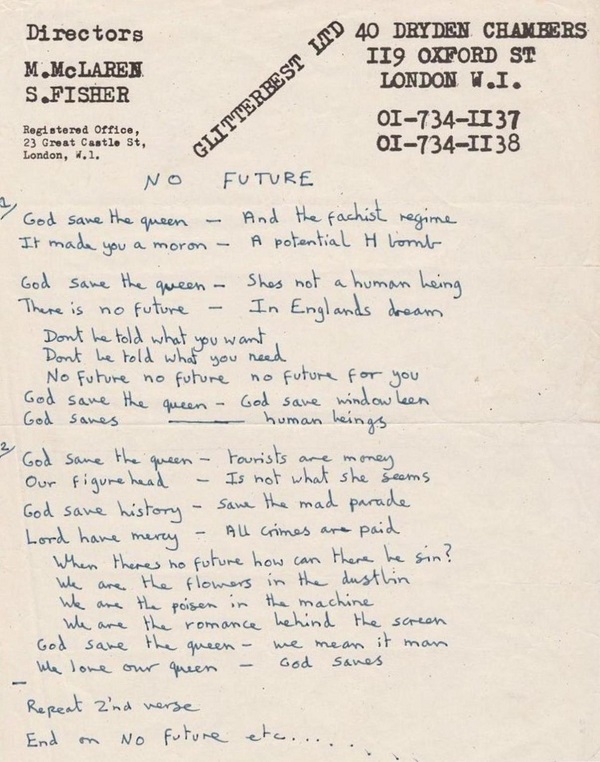
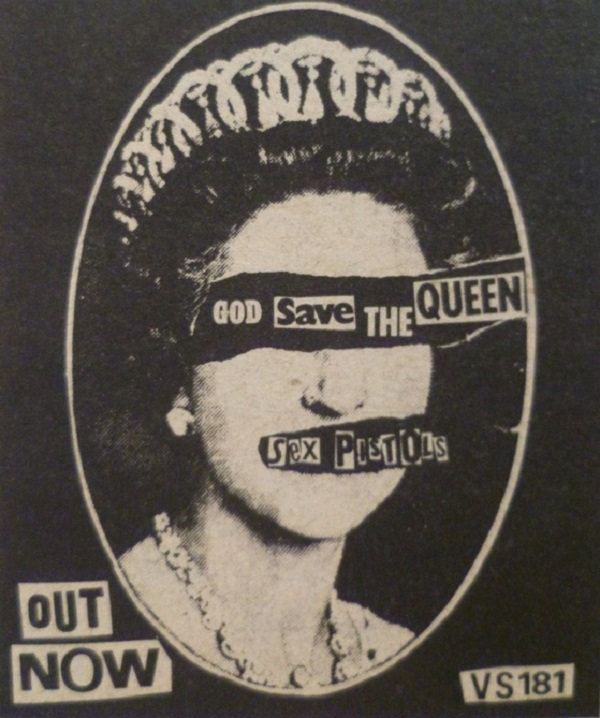
In the midst of that contradiction -a royal celebration in a country in crisis- the Sex Pistols lit the fuse. Released by Virgin Records on May 27, 1977, “God save the Queen” (originally titled “No future”) wasn’t just some pub-style anti-monarchy tune. It was a nihilistic outcry that bluntly declared: “She ain’t no human being” and “There is no future in England’s dreaming”.
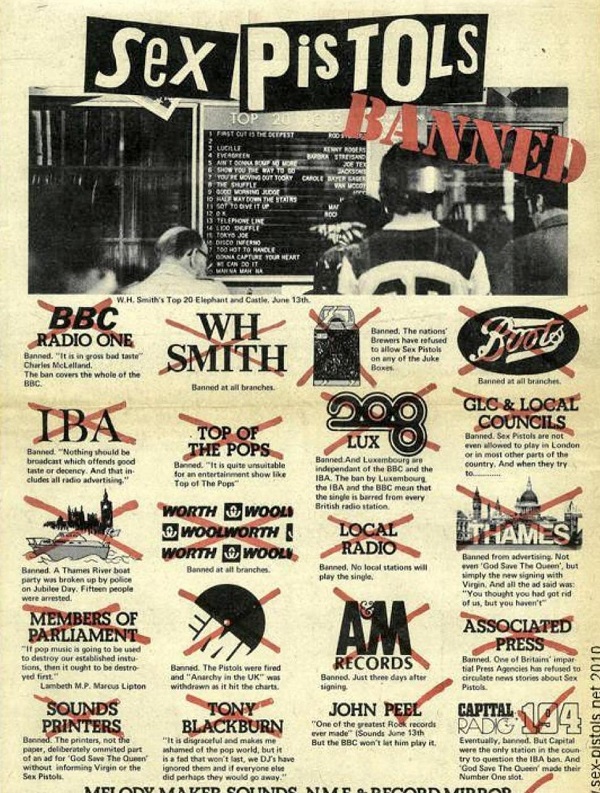
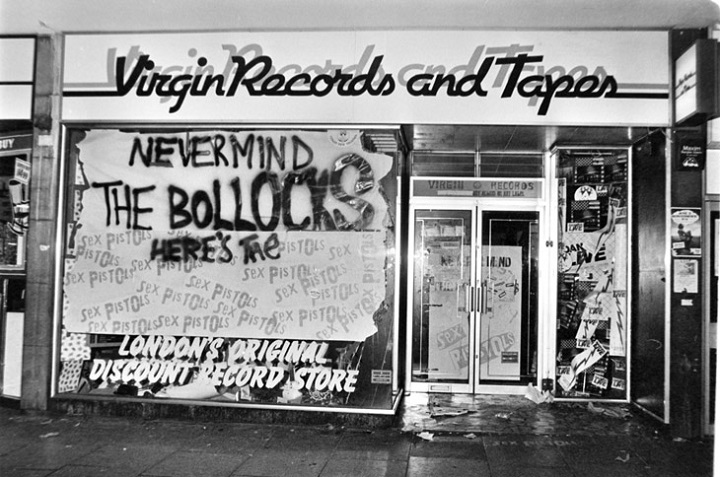
The scandal was immediate: the BBC banned it, some stores refused to sell the record, and the press reacted as if Johnny Rotten had spat in the Queen’s face.
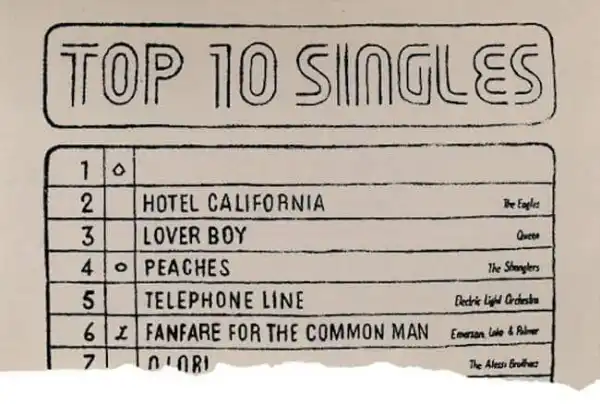
It wasn’t played on Radio 1 or Top of the Pops. Its title wasn’t even mentioned in the official charts. Yet, it still reached number 2 on the UK Singles Chart (although many believe it was actually number 1, but the numbers were manipulated to avoid a national embarrassment during Jubilee week).
What did the BBC do?
It claimed the song was offensive to the Queen and to British values. Some politicians even called for the total ban of the band.
Woolworths and WHSmith refused to stock the single. The cover -designed by Jamie Reid, featuring the Queen’s face obscured by ransom-note-style cut-out letters- was described by the conservative press as “visual blasphemy”.
The Response: The Queen Elizabeth on the Thames
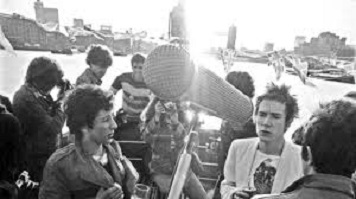
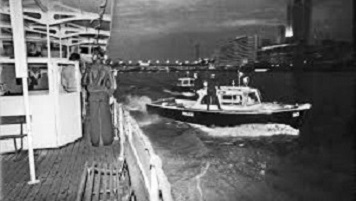
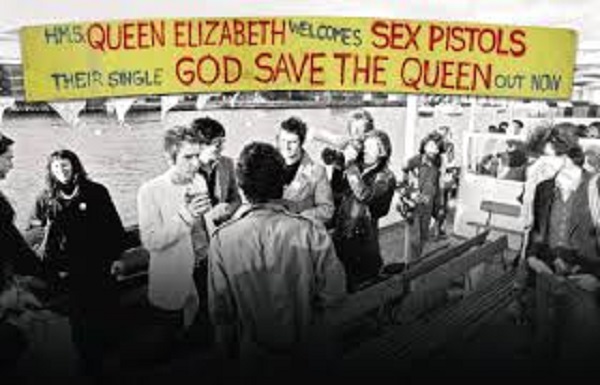
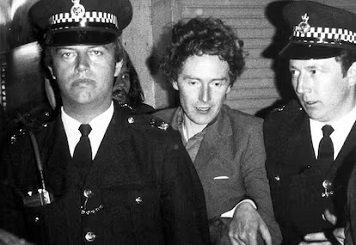
If the radio wouldn’t play them, they’d find another way to be heard. On June 7, 1977, two days before the national Jubilee holiday, the Pistols staged a bold stunt: they rented a boat called the Queen Elizabeth and sailed down the Thames, playing songs like “Anarchy in the UK” and, of course, “God save the Queen”, right in front of the Houses of Parliament. Onboard were the band members, journalists, punks, and Malcolm McLaren’s crew. The river police intercepted them near Tower Bridge. There were shouts, chaos, scuffles, and arrests in the very heart of London.
The Press: Scandal and Panic
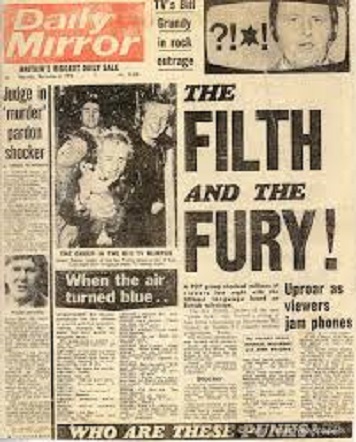
The coverage was ruthless. The Daily Mirror screamed: “THE FILTH AND THE FURY”, a phrase that later gave its name to Julien Temple’s documentary. The Daily Express spoke of “an unprecedented offense to British decency”. The Sunday People called for the band members to be arrested for treason (yes, really). But fans responded in droves. Copies flew off the shelves -sometimes sold under the counter. T-shirts featuring the single’s cover flooded the streets. What looked like a cultural attack ended up being a masterstroke of punk marketing.
Number 2 or Number 1? The Mystery Remains
To this day, many music historians agree that “God save the Queen” outsold any other single that week. However, on the official charts, it was beaten by Rod Stewart’s “I don’t want to talk about it”. Coincidence? Hard to believe. Years later, internal sources at the BBC admitted that there had been government pressure to prevent the band from hitting number one during the royal festivities.
Fallout in 1977
- The BBC called the record an example of “gross bad taste”.
- John Lydon (Johnny Rotten), years later:
“There are not many songs written over baked beans at the breakfast table that went on to divide a nation and force a change in popular culture”.
- Jon Savage (Sounds, present on the boat):
“The atmosphere on the boat was paranoid and claustrophobic, but also very exciting… You can’t beat the Sex Pistols, jubilee weekend, “Anarchy in the UK”, outside Parliament”.
- Tony Parsons (NME), direct witness of the police raid:
“The police took McLaren to one side and gave him the worst beating I’ve ever seen anybody given”.
- OpenDemocracy noted the event’s satirical edge:
“They launched an assault in sound… carried its crew of treason mongers up the “jugular vein of empire” to cut short the revelry”.
- Headlines from the time were brutal:
“EYE WITNESS PISTOLS WHIPPING”, recounting how police beat Malcolm McLaren after detaining the group.
________________________________________
“God save the Queen” didn’t bring down the monarchy, of course. But it forever changed the language of British rock. It was an act of sonic insurrection that still sounds razor-sharp nearly 50 years later.
Today, as we watch the Royal Family struggle to modernize and survive the social media era, it’s hard to imagine the impact that little 1977 vinyl had… but all it takes is one more listen to remember it: pure punk venom.
Gonzalo Pedraja